Ryoncil Is the First FDA-Approved Stem Cell Therapy: What the 2025 Launch Means for Patients
PWritten by: Phil KimMedically reviewed by: Dr. Robert Aki, DPMLast medically reviewed: November 20, 2026
You have probably read that the FDA approved the first stem cell therapy, and that 2025 brought it to patients. It is true, and it is a real milestone. But the details matter: the approved product, Ryoncil, treats a specific and life-threatening complication of bone marrow transplant in children, not arthritis or sports injuries. This article explains what was approved, what it can and cannot do, and why that clears up a lot of confusion.
2024
December, when the FDA approved Ryoncil for steroid-refractory acute graft-versus-host disease in children two months and older
~70
percent, the day-28 overall response rate reported in the clinical study that supported approval
2025
the year Ryoncil launched commercially in the United States as the first approved mesenchymal stem cell therapy
What Ryoncil actually treats
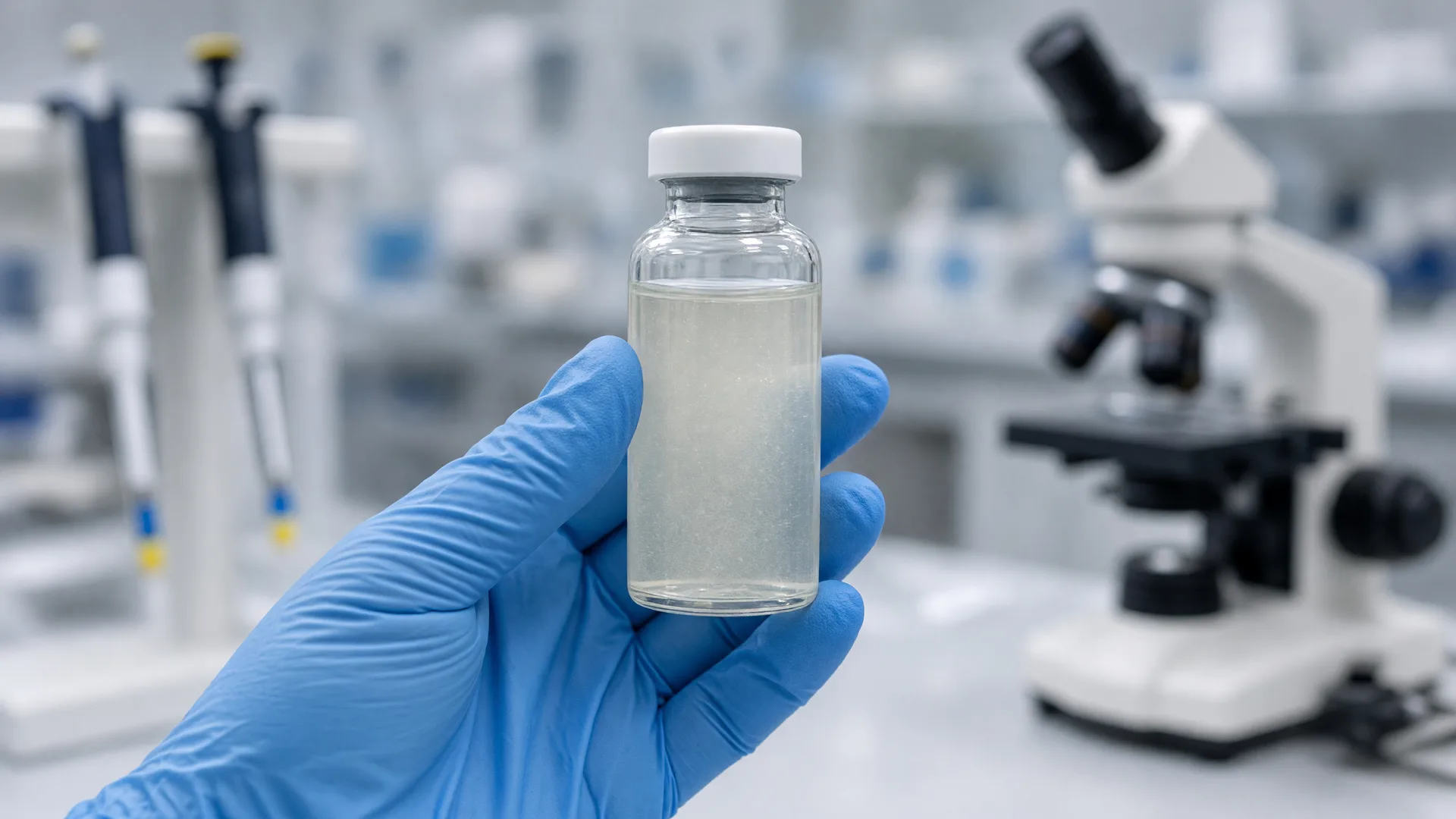
Ryoncil (remestemcel-L-rknd) is a therapy made from mesenchymal stem cells derived from bone marrow, given by intravenous infusion. It is approved specifically for steroid-refractory acute graft-versus-host disease (aGVHD), a serious complication that can develop in children after a bone marrow transplant when donor immune cells attack the recipient's body. This is a hospital-setting treatment for a small, very ill population, not something administered in an outpatient clinic for joints.
Why the approval was a first
It was the first time the FDA approved a mesenchymal stem cell product as a therapy. That matters because for years, stem cell therapy has lived in a gray area between regulated drugs and unregulated so-called stem cell clinics. A formal approval of an actual stem cell product establishes a clear regulatory path, which is encouraging for the whole field.
“Ryoncil provides the first FDA-approved mesenchymal stromal cell therapy, offering a new treatment option for steroid-refractory acute graft-versus-host disease in children.”
What Ryoncil does not mean for people with arthritis
The approval does not mean mesenchymal stem cells are approved for osteoarthritis, tendon injuries, or the common reasons people visit a regenerative medicine clinic. Joint and spine treatments still sit in a different category. Some clinics bill ordinary cultured cells or unregulated biologic injections as if they were the same thing as Ryoncil; they are not, and legally and scientifically they are not interchangeable.
Other recent approvals show the same pattern
Regenecyte, an umbilical cord blood stem cell product, and therapies for conditions like Wiskott-Aldrich syndrome and severe aplastic anemia reflect the same theme: FDA-approved cell and gene therapies so far target rare, serious, hospital-managed diseases. The list of approved products is growing, which is genuinely good news, but none of them is an outpatient arthritis injection.
How to check whether a treatment is FDA-approved
If a clinic tells you its joint treatment is FDA-approved, the truthful reply is to ask exactly which product and for which condition it gained approval. Approved products are listed publicly by the FDA. A clinic can legally use an approved product for joints only under an investigational new drug application or a compliant regulatory framework, and that comes with its own transparency requirement.
Ask for the exact name of the approved product and the condition it was approved for.
Ask whether the product you are offered is the approved product or a compounded or culture-expanded preparation.
Ask what evidence supports the specific treatment you are considering.
Ask what happens if it does not help, including timelines and next steps.
The bottom line
Ryoncil's approval is a milestone for stem cell medicine and a reason to feel cautiously optimistic about the field's future. It is not a license for outpatient clinics to market unapproved joint injections as FDA-approved. Understanding the distinction protects you from both overclaiming clinics and needless doubt about a genuinely promising science.
A note from the clinic
At Aloha Stem Cell in Honolulu we are clear about what is FDA-approved and what is not, and we will tell you the evidence for the specific treatment you are considering. Our goal is an informed conversation, not a shopping decision. Call (808) 593-2525 or visit our office on South King Street.
Our team is happy to listen to your story, answer your questions, and help you decide
whether a consultation makes sense. There is no pressure and no obligation.
The 50th Turkey Trot has come and gone, and Honolulu's December race season is here: the Santa Hat 5K, the Jingle Bell Jog, the JAL Honolulu Marathon on December 13, and the Hawaii Kai Ultra Run. Here is what the next three weeks mean for your knees, tendons, and the timing of any regenerative treatment.
December is when flexible spending account dollars run out, and PRP or stem cell therapy for a diagnosed joint or tendon condition can be an eligible use of FSA and HSA funds. Here is how IRS rules actually work, what documentation you need, and what to ask your benefits administrator before year-end.
Regeneration Biomedical announced results on November 18, 2026 from its first-in-human Phase 1 trial of a Wnt-activated stem cell therapy for Alzheimer's: four of five patients showed cognitive improvement with no serious adverse events, and the FDA granted fast-track status. Here is what that does and does not mean.