PWritten by: Phil KimMedically reviewed by: Dr. Robert Aki, DPMLast medically reviewed: September 4, 2026
Stem cell therapy is a branch of regenerative medicine that uses the body's own repair cells to support healing in damaged tissue. In this guide we explain what stem cells are, how clinics like Aloha Stem Cell use them, what the research actually supports, and the questions every patient should ask before treatment.
5
clinical providers on the team
22+ years
combined clinical experience
12+
treatments & services offered
What are stem cells, in plain language?
Stem cells are the body's raw building blocks. They have two defining abilities: they can renew themselves, and they can develop (differentiate) into more specialized cells, such as cartilage, bone, muscle, or tendon cells. Think of them as a repair kit that your body keeps on hand to maintain and rebuild tissue.
Adults carry stem cells throughout their bodies, with meaningful concentrations in bone marrow and in adipose (fat) tissue. Regenerative medicine clinics collect cells from these sources, prepare them in a clinical setting, and deliver them back into the area that needs support, usually through a guided injection.
How do regenerative clinics use stem cells?
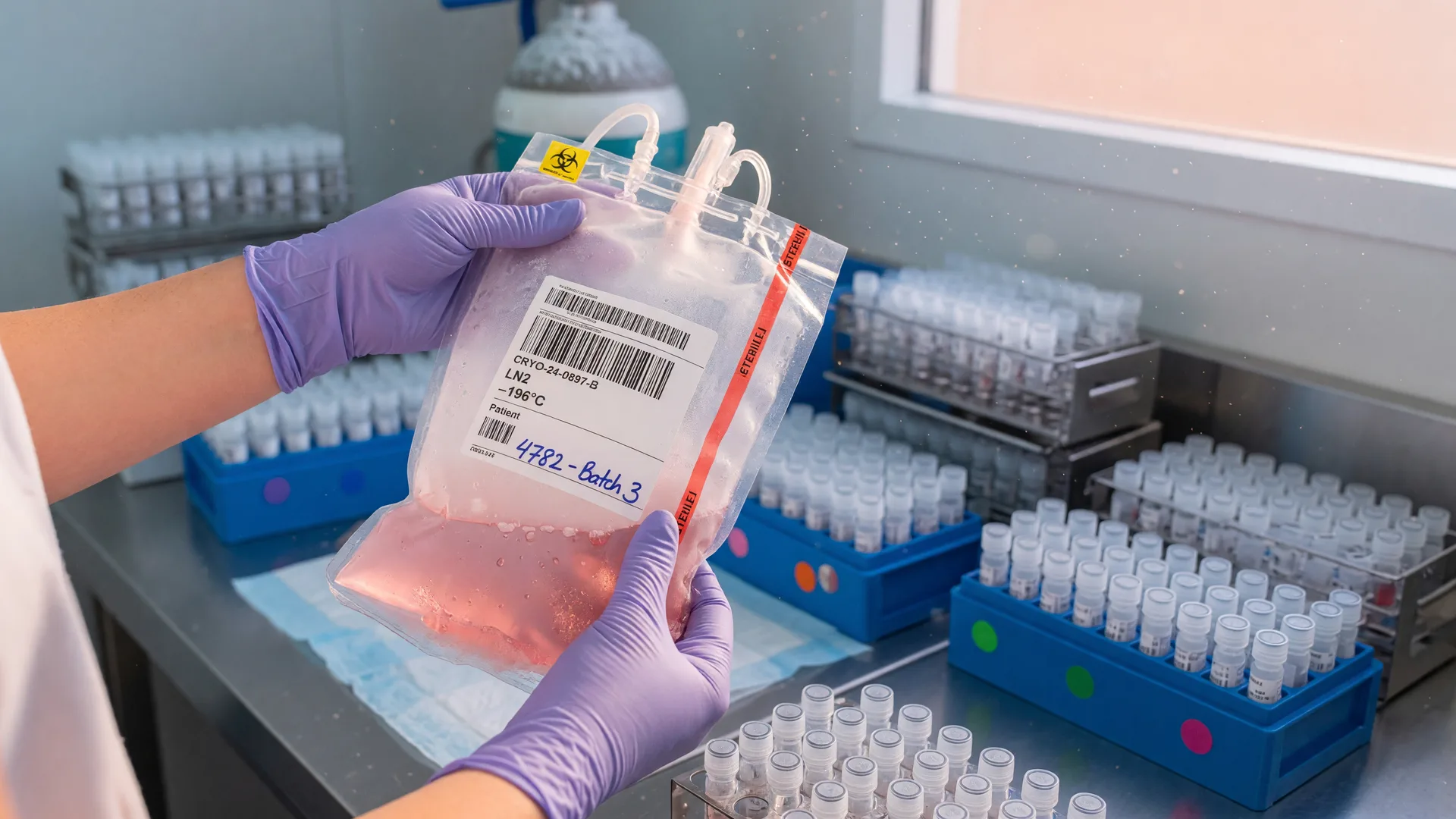
Most regenerative therapy performed in US clinics is autologous, which simply means the cells come from your own body. A common approach is bone marrow aspiration: a clinician draws a small sample of marrow, concentrates it in a centrifuge, and injects the prepared concentrate into a joint, tendon, ligament, or spinal area. A similar technique processes cells from a small amount of your own fat tissue.
Clinics may also use platelet-rich plasma (PRP), a related cell-based therapy that concentrates the platelets and growth factors from your own blood to support healing in the target area. PRP and cell therapy are often part of the same regenerative treatment plan, and the right choice depends on your condition, your anatomy, and your goals.
What is FDA-approved today?
This is the most important thing to understand, and a trustworthy clinic will explain it openly. In the United States, the only stem cell treatments with routine FDA approval are blood-forming (hematopoietic) stem cell transplants, used for decades to treat certain blood cancers and immune disorders, along with a small number of newer cellular therapy approvals for specific pediatric conditions.
Nearly every other use of cell-based therapy, including injections for joint pain, tendon injuries, and back pain, is considered investigational and has not been cleared by the FDA for those conditions. The FDA has repeatedly warned that unapproved stem cell products marketed with miracle claims can be unsafe. Responsible clinics treat patients within their professional medical judgment, are transparent about the evidence, and never promise outcomes they cannot deliver.
“Currently, the only stem cell products that are FDA-approved for use in the United States consist of blood-forming stem cells (also known as hematopoietic progenitor cells) that are derived from umbilical cord blood.”
Questions to ask before any stem cell treatment
Where do the cells come from, and are they my own cells?
Who performs the procedure, and what are their qualifications?
What does the scientific evidence show for my specific condition?
Is this treatment FDA-approved or investigational?
What are the possible risks and side effects?
What are the full costs, and is there any insurance coverage?
What does aftercare and follow-up look like?
A note from the clinic
A good consultation is a two-way conversation. Any clinic that hesitates to answer these questions, or that guarantees results, should give you pause. At Aloha Stem Cell in Honolulu we believe honesty about the evidence is part of good medicine.
Want to talk through your own situation?
Our team is happy to listen to your story, answer your questions, and help you decide
whether a consultation makes sense. There is no pressure and no obligation.
The FDA now lists Regenecyte, a cord blood stem cell product, among approved cellular therapies. It is a real milestone for blood stem cell transplant patients, and it is not a treatment for joint pain. Here is what the approval is, what it is not, and why it matters when you read stem cell news.
In September 2026 the FDA granted Fast Track status to an experimental cell therapy for ALS, and in August researchers presented new Phase 1/2 data on a stem cell therapy for Parkinson's. Both are real advances and both remain investigational. Here is the honest read.
A stem cell-derived islet therapy restored insulin production in early trials, with 10 of 12 patients insulin-independent at one year. Here is what the 2025-2026 results show, what the FDA has and has not done, and what it means for people with diabetes.